Which glazing unit should I choose?
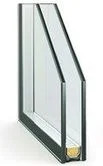
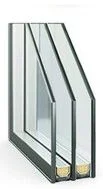
There are two main types of glazing unit: double (one chamber) and triple (two chambers). Double glazing has two panes and one insulating air chamber; triple has three panes and two chambers.
Double glazing
Double glazing is usually 20 mm wide in aluminium structures, 24 mm in 3- and 4-chamber PVC profiles and up to 32 mm in 5-chamber ones. As standard it is made of two 4 mm float (ordinary) panes. It protects and insulates very well, especially with low-e glass (Sunergy or K-glass).
You can insulate even better by filling the chamber with argon or fitting a warm PVC spacer. The standard spacer is aluminium and is the weakest point of the unit for insulation.
Triple glazing
Triple glazing usually starts at 32 mm and goes past 50 mm, depending on the profile. It insulates better because it is wider and holds more air. Another advantage is much better sound insulation, with three panes as a barrier. It improves further when the panes differ in thickness or the chambers in width, which keeps the resonance of sound waves to a minimum.
Triple glazing is an expensive investment, but combined with low-e glass, argon and so on it insulates much better. It is used in larger structures and rooms with a large glazed area, where heat losses would be large.
We recommend double glazing with low-e glass over triple glazing with ordinary panes: it costs less, and low-e glass insulates far better than float glass, even in a triple unit. Triple glazing then only adds better sound insulation.
Compare different glazing units in the table on the glazing page.